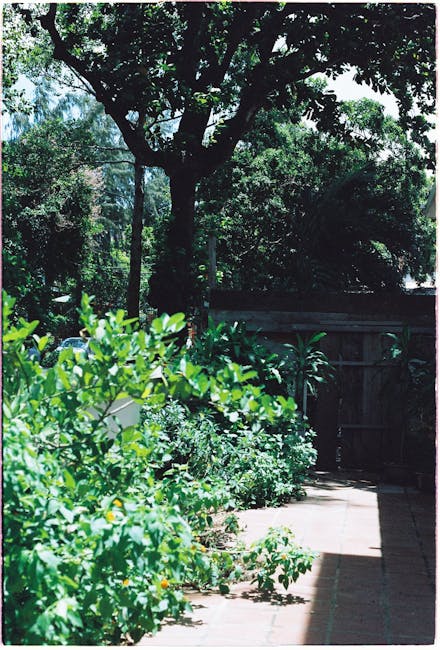
Bruce Grove front garden transformation by local gardeners: a practical guide to getting it right
If you have been staring at a tired, overgrown, or just plain awkward front garden in Bruce Grove, you are not alone. A lot of front spaces in this part of North London have huge potential, but they also come with real-world headaches: narrow layouts, patchy soil, awkward slopes, bins getting in the way, and that familiar "I'll sort it next weekend" feeling that somehow lasts six months. A Bruce Grove front garden transformation by local gardeners can change all of that, turning the space into something smarter, easier to maintain, and far more welcoming.
Done well, a front garden makeover is not just about looks. It can improve how you use the space every day, help with drainage, reduce maintenance, and create a stronger first impression for visitors, neighbours, and buyers. In this guide, we will walk through what the transformation process actually involves, what local gardeners look for, where people often get stuck, and how to make sensible decisions without overcomplicating the whole thing. Truth be told, the best results usually come from simple, thoughtful planning rather than a dramatic weekend fling with a spade.
For homeowners comparing services, it can also help to understand the wider support available. You can review the garden services overview, check pricing and quotes, or learn more about the team behind the work on the about us page. If you are already close to making a decision, the next sensible step is often a quick conversation via the contact page.
Table of Contents
- Why Bruce Grove front garden transformation by local gardeners Matters
- How Bruce Grove front garden transformation by local gardeners Works
- Key Benefits and Practical Advantages
- Who This Is For and When It Makes Sense
- Step-by-Step Guidance
- Expert Tips for Better Results
- Common Mistakes to Avoid
- Tools, Resources and Recommendations
- Law, Compliance, Standards, or Best Practice
- Options, Methods, or Comparison Table
- Case Study or Real-World Example
- Practical Checklist
- Conclusion
- Frequently Asked Questions
Why Bruce Grove front garden transformation by local gardeners Matters
A front garden is doing more work than people sometimes realise. It frames the property, affects how the entrance feels, and can either make daily life easier or quietly annoy you every time you step outside. In Bruce Grove, where homes vary in age, layout, and frontage size, front gardens often need a tailored approach rather than a one-size-fits-all tidy-up.
Local gardeners understand the practical realities. They know how quickly a front area can become cluttered, how shade and paving affect planting, and how much difference a clean edge or proper bed layout can make. They also tend to spot the small things that non-specialists miss, like water pooling near a path, roots competing under the surface, or a hedge that looks neat now but will block light later.
To be fair, a transformation is not always about making things "fancy." Sometimes the biggest improvement is simply creating a front garden that feels manageable. That might mean replacing difficult patches with structured planting, introducing a tidy gravel edge, or rethinking where paths and bins sit. Small changes, but they add up quickly.
There is also a stronger emotional side to it. When the front of a home feels cared for, the whole property feels calmer. You notice it on a rainy morning, when the path drains properly and you are not stepping through mud. You notice it again when you come home at dusk and the entrance feels open rather than neglected. That matters.
How Bruce Grove front garden transformation by local gardeners Works
The process usually starts with a proper look at the space, not just a glance. A good gardener will consider the size of the frontage, the soil condition, existing hard landscaping, sun exposure, drainage, and how you actually use the garden. Do you need parking space? Do you want more privacy? Are you trying to reduce weeding? These details shape the whole plan.
A transformation might involve a combination of garden clearance, re-edging, planting design, turfing or replacing lawn areas, fresh mulch, new paving, low-maintenance borders, hedge shaping, or structural changes such as raised beds. In some cases, gardeners may recommend recycling materials already on site where possible, which ties in well with recycling and sustainability principles.
The strongest projects usually move through a clear sequence:
- Assess the current layout and problem areas.
- Agree the main goal: low maintenance, better kerb appeal, more planting, or a cleaner entrance.
- Choose materials and planting that suit the site.
- Carry out the physical work in a sensible order, from clearance to finishing touches.
- Review the result and plan simple upkeep.
That last step gets skipped far too often. Yet it is the difference between a garden that still looks good in six months and one that slowly slips back into chaos. The neat border is lovely; the follow-up is what keeps it lovely.
Professional gardeners should also work safely and communicate clearly about access, timing, waste removal, and any limitations they spot on site. If you want to understand the wider standards expected, it is worth reading the company's health and safety policy and insurance and safety information. That kind of transparency is not a bonus; it is part of a trustworthy service.
Key Benefits and Practical Advantages
The best front garden transformations deliver more than visual polish. They solve problems and make day-to-day life easier. That is the real value.
- Improved kerb appeal: A tidy, balanced front garden creates a better first impression immediately.
- Lower maintenance: Replacing high-maintenance planting with the right structure can save time each week.
- Better drainage and usability: Careful groundwork can reduce puddling, mud, and slippery patches.
- More usable space: Even small front gardens can feel bigger when pathways, edges, and planting are arranged properly.
- Clearer access: A better layout makes bin movement, bike storage, and daily entry much easier.
- Local suitability: Bruce Grove gardens benefit from gardeners who understand the area's housing styles and practical constraints.
One thing people often underestimate is the effect on routine behaviour. When a front garden becomes easy to maintain, you actually keep on top of it. When it is fiddly, people avoid it. Simple as that. A good transformation can break that cycle.
Expert summary: The most successful front garden projects are rarely the most dramatic. They are the ones that combine smart layout, appropriate planting, durable finishes, and a maintenance plan that matches the owner's real life.
Who This Is For and When It Makes Sense
This kind of work is a strong fit for homeowners, landlords, and property managers who want a front space that looks cared for without becoming a burden. It also makes sense if the garden has drifted into one of those awkward states where nothing feels deliberate anymore.
You might be a good candidate if:
- the front garden is overgrown or patchy
- you want a better-looking entrance without a full rebuild
- weeds and self-seeded growth keep returning
- the space floods, holds water, or turns muddy after rain
- you are preparing a property for sale or rental
- the front area feels cluttered, dark, or unwelcoming
- you want a more modern, low-maintenance style
It also makes sense for families juggling busy schedules. Let's face it, most people do not want to spend every Saturday morning fighting a border that never seems finished. Sometimes the goal is simply to stop the garden from becoming a constant background stress.
If you are weighing up whether to go ahead, a useful question is this: what would the front of my home need to do better? More privacy? Less upkeep? Better drainage? Stronger visual impact? The answer usually points you towards the right type of transformation.
Step-by-Step Guidance
Although every garden is different, the transformation process tends to follow a fairly logical order. Skipping steps usually causes trouble later, especially if there is poor soil, old paving, or unwanted tree roots in the mix.
1. Start with a careful site review
Look at the existing garden in plain daylight and, if possible, after rain. Note where water sits, where sunlight falls, and which areas are awkward to access. A front garden that looks fine from the pavement may tell a different story once you step inside it.
2. Decide on the main objective
Some people want a complete refresh. Others only want a cleaner entrance and better planting. Be honest here. A clear goal prevents overspending and makes the design more coherent.
3. Clear, cut back, and remove clutter
This is often the most satisfying stage. Overgrowth, dead material, broken pots, old edging, and tired shrubs all get assessed. A solid clearance gives you a clean canvas. You can hear the space breathe again, so to speak.
4. Fix the structure before the styling
Any issues with levels, drainage, broken paving, or unstable borders should be addressed before planting. Structure first, then decoration. Otherwise you end up making things pretty on top of a problem.
5. Choose planting that fits the site
For a front garden, reliability matters. Plants should suit sunlight levels, soil type, and maintenance expectations. There is little point choosing something glamorous if it sulks in shade and needs constant rescue.
6. Finish with edging, mulch, and tidy details
Edges sharpen the whole design. Mulch helps suppress weeds and keep moisture in. A finished project usually looks better not because it is overloaded, but because every detail feels intentional.
7. Plan maintenance from day one
Even a low-maintenance garden needs some care. Agree a light upkeep schedule: pruning, weeding, seasonal tidy-ups, and checking for drainage problems. Little and often is usually best. Honestly, it saves headaches.
Expert Tips for Better Results
A few practical choices can lift the whole project from "nice enough" to genuinely well thought out.
- Prioritise structure over novelty: A strong layout outlasts trends.
- Keep pathways generous where possible: Narrow entrances quickly feel cramped.
- Use repeating materials: Repetition in edging, gravel, or paving makes the space feel calmer.
- Match planting to maintenance level: Choose plants you can realistically keep tidy.
- Think about the view from the street and from inside the house: A good garden should work both ways.
- Allow for seasonal change: A front garden should still look decent in February, not just in June.
One local insight worth keeping in mind: in urban gardens, simple textures often outperform overcomplicated schemes. A clean planting palette, a few strong shapes, and good soil preparation can do more than a dozen fussy features. Less noise. More confidence.
And if you want the work to stay looking good, ask how the team handles waste, green materials, and any old soil or debris. A neat result includes the hidden parts too, not just the visible finish.
Common Mistakes to Avoid
Front garden projects tend to go wrong in the same few ways. The good news? They are avoidable.
- Choosing plants first and the plan second: Design should lead, not impulse buys.
- Ignoring drainage: Pretty surfaces that collect water become a nuisance fast.
- Overfilling a small space: Too many features make a compact front garden feel smaller.
- Using high-maintenance planting in a busy household: That is how good intentions become weekend guilt.
- Skipping edging and finishing touches: It leaves the garden looking unfinished, even if the main work is sound.
- Not asking about aftercare: A transformation without a maintenance plan often fades too soon.
A common one is people wanting "everything" at once. A bit of lawn, some gravel, lots of shrubs, a new path, a feature tree, and storage. In practice, that can turn the front garden into a visual argument. It is usually better to pick three strong ideas and do them properly.
Tools, Resources and Recommendations
You do not need a shed full of specialist kit to understand what makes a front garden transformation successful, but it helps to know what a professional team will typically use and why.
Common tools and materials may include:
- spades, forks, loppers, shears, and pruning tools
- wheelbarrows and waste bags for clearance
- edging tools for creating crisp borders
- compost, topsoil, bark mulch, or decorative gravel
- leveling tools for small ground adjustments
- hardwearing paving or stepping materials where needed
For homeowners, the most useful "resource" is often a short written brief. Even a simple note listing your priorities can make the consultation much more productive. Include things like:
- what you dislike about the current layout
- what must stay
- what you want less of, such as weeds or clutter
- how much maintenance you are willing to do
- whether privacy, security, or accessibility matters most
If you are budgeting, start by reviewing pricing and quotes early. That helps you understand the shape of the project before you commit. For general trust and customer reassurance, many people also find it useful to review terms and conditions and payment and security information before work begins.
Law, Compliance, Standards, or Best Practice
Front garden work is usually straightforward, but there are still sensible standards to follow. In the UK, good practice means working safely, handling waste properly, respecting neighbour boundaries, and making sure any hard landscaping is installed with care. If access is tight or the site has hazards, the team should plan accordingly.
For example, if a front garden includes uneven paving, heavy lifting, thorny growth, or disposal of large amounts of green waste, safety procedures matter. That is not bureaucracy for its own sake; it is basic professionalism. You should expect clear communication about what will happen on site and how the work will be managed.
Where plant choice, trees, or hedging are involved, it is also wise to think about future growth and any impact on neighbouring property. No one wants to create a lovely new border that later becomes a boundary dispute. Gardens are supposed to calm things down, not spark a small civil war over roots.
It is also reasonable to ask how the company handles privacy and complaints. That may sound slightly dry, but it signals a proper, accountable business. Relevant pages include the privacy policy and complaints procedure. If accessibility matters to you or someone in the household, the accessibility statement can also be helpful.
Options, Methods, or Comparison Table
Not every front garden needs the same solution. Sometimes a light refresh is enough. Sometimes the better move is a full redesign. Here is a simple comparison to help you think it through.
| Approach | Best for | Typical strengths | Things to watch |
|---|---|---|---|
| Light tidy and refresh | Gardens that are generally sound but messy | Quick, cost-conscious, good visual lift | Won't fix deeper layout or drainage issues |
| Planting-led transformation | Front gardens that need softer character and less upkeep | Improves appearance and biodiversity, can be very flexible | Needs good plant selection and seasonal care |
| Hard landscaping focus | Problem sites with poor access, worn paths, or drainage trouble | Long-lasting, tidy, practical | Higher upfront effort, less green cover if overused |
| Full redesign | Spaces with multiple problems or major layout issues | Best overall reset, tailored result | More planning needed, usually the most involved option |
If you are unsure, start with the question: what is causing the most frustration right now? That answer often determines whether a refresh or a deeper redesign makes sense. It is rarely about doing more for the sake of it.
Case Study or Real-World Example
Here is a realistic example based on the kind of front gardens local gardeners often work on in Bruce Grove.
A homeowner had a small frontage with patchy weeds, a narrow path, and one tired shrub bed that had become more bramble than border. The overall space looked neglected, but it was not beyond rescue. The priorities were clear: improve the entrance, reduce maintenance, and make the space feel brighter.
The work began with clearance and a proper assessment of the soil. The old bed was reshaped, the path edges were sharpened, and the planting area was redesigned with a simpler layout. Rather than cramming in lots of different species, the plan used a smaller number of reliable plants, which made the whole garden look calmer and easier to manage.
A fresh surface finish and mulch helped with weed suppression. The garden instantly looked more intentional, and the entrance felt wider. Not glamorous, maybe, but clean and confident. That is often the sweet spot for front gardens. A month later, the homeowner noticed something small but meaningful: they stopped dreading the front step every time they came home.
That is the sort of outcome worth aiming for. Not perfection. Just a space that works properly and feels like it belongs to the house again.
Practical Checklist
Use this checklist before starting a front garden transformation in Bruce Grove:
- Identify the main goal: visual improvement, lower maintenance, drainage, access, or all of the above.
- Inspect the garden after rain, if possible.
- Decide what should stay and what should be removed.
- Check whether paths, edges, or levels need structural attention.
- Choose planting that suits light, soil, and maintenance time.
- Plan where bins, bikes, or storage will sit.
- Ask how waste will be removed and whether recycling is part of the process.
- Review safety, insurance, and working arrangements.
- Confirm pricing, timing, and aftercare expectations.
- Make sure the design will still look good in winter, not just in summer.
If you can tick most of those off, you are in a strong position. If not, no panic. It just means the planning stage deserves a bit more attention. Better there than halfway through the work, honestly.
Conclusion
A Bruce Grove front garden transformation by local gardeners is about more than appearances. It is about creating a front space that feels easier to live with, safer underfoot, and more in tune with the home it serves. The best projects are thoughtful, practical, and designed around real daily life rather than a catalogue look that only works on day one.
Whether you need a light refresh or a fuller redesign, the key is to start with clear priorities, choose materials and planting carefully, and work with people who understand both the area and the demands of a front-facing garden. A good result should feel natural, not forced. And it should still make sense when the weather turns grey, which in London it quite often does.
For a better next step, take a look at the service options, check the pricing and quotes guidance, and reach out through the contact page when you are ready. A thoughtful front garden can quietly change how a home feels, and that is never wasted effort.
Get a free quote today and see how much you can save.
Frequently Asked Questions
What does a Bruce Grove front garden transformation usually include?
It can include clearance, pruning, re-edging, planting design, lawn improvement, paving repairs, mulching, and a full tidy of the frontage. The exact mix depends on the condition of the garden and the result you want.
How long does a front garden transformation take?
That depends on the size of the space and how much structural work is needed. A straightforward refresh may be completed quickly, while a full redesign can take longer because clearance, ground preparation, and finishing details all matter.
Is it better to choose low-maintenance planting?
For most busy households, yes. Low-maintenance planting can reduce weekly effort and make the garden easier to keep neat. The key is choosing plants that suit the site rather than simply choosing hardy plants at random.
Do local gardeners understand Bruce Grove gardens better?
Usually they do. Local gardeners are more likely to understand common site constraints, housing styles, and the practical realities of maintaining front gardens in the area. That local awareness can make planning much more sensible.
What is the biggest mistake people make with front gardens?
Trying to do too much at once is a common one. People often want lots of features, but the best front gardens usually have a clear purpose and a simple structure. Overcrowding can make a small space feel even smaller.
Can a front garden transformation help with drainage?
It can, especially if the project includes correcting levels, improving the soil, or replacing problematic surfaces. That said, drainage issues should be assessed properly before work begins, because the right fix depends on the cause.
How do I keep the new garden looking good after the work is finished?
Ask for a simple aftercare plan. Regular light tidying, seasonal pruning, weeding, and checking mulch or edging will usually keep the garden in good shape. A little maintenance goes a long way.
Should I choose paving, gravel, planting, or a mix?
A mix is often the most practical answer, but it depends on your goals. Paving can improve access, gravel can help with structure and drainage in some situations, and planting brings softness and life. The best choice is the one that suits your space and how you use it.
Is a front garden makeover worth it if I may sell the property later?
Often, yes. A neat, well-planned front garden can improve first impressions and make a property feel better cared for. It is not just about resale, though; it also improves how you experience the home while you live there.
How do I know if a gardener is trustworthy?
Look for clear communication, transparent pricing, safety information, and proper policies. Pages such as insurance and safety, health and safety policy, and terms and conditions can help you feel more confident before work starts.
What should I ask for in a quote?
Ask what is included, what is excluded, how waste is handled, how long the work may take, and whether aftercare is part of the plan. Clear quotes prevent awkward surprises later.
What if my front garden is very small?
Small gardens often benefit the most from good design. The right edging, a simple planting scheme, and a cleaner layout can make even a tiny space feel more open and welcoming. Small does not mean limited, not at all.