Planning permission and planting near Finsbury Park for gardeners
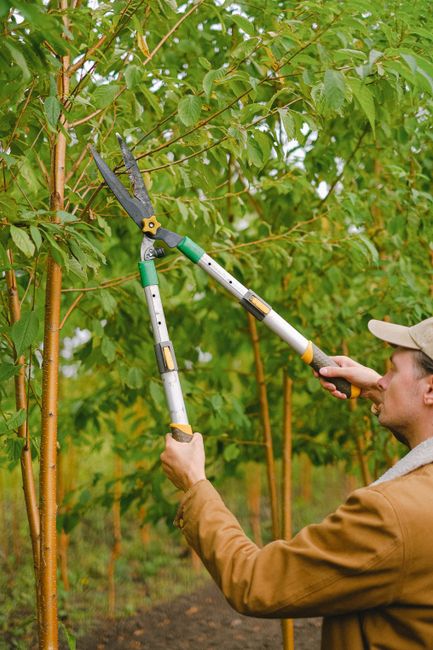
If you garden in or around Finsbury Park, there is a good chance you have run into a slightly awkward question: can I just plant this, build that, or do I need planning permission first? It sounds simple. It rarely is. Between boundary lines, tree roots, local conservation concerns, and the way mature planting can affect light, access, and drainage, a garden job can quickly move from "nice weekend project" to "worth checking properly".
This guide on Planning permission and planting near Finsbury Park for gardeners breaks it down in plain English. You will find what usually matters, where gardeners tend to get caught out, how to plan planting and landscaping sensibly, and when it makes sense to involve a professional. No drama, no jargon for the sake of it. Just the stuff that helps you make a better decision before you dig.
For gardeners and homeowners alike, a careful approach can save time, money, and a fair bit of back-and-forth later. And let's face it, nobody wants to rip out a newly planted border because a boundary issue was missed the first time.
- Why it matters
- How it works
- Key benefits and practical advantages
- Who this is for and when it makes sense
- Step-by-step guidance
- Expert tips for better results
- Common mistakes to avoid
- Tools, resources and recommendations
- Law, compliance, standards, or best practice
- Options, methods, or comparison table
- Case study or real-world example
- Practical checklist
- Conclusion
- Frequently asked questions
Why Planning permission and planting near Finsbury Park for gardeners Matters
Garden planting is often treated as the "safe" part of outdoor work, but in urban areas that is only half the story. Around Finsbury Park, plots can be compact, boundaries are close, and neighbouring homes may be only a few steps away. That means even simple changes can have knock-on effects.
Planning permission is usually linked to larger works, but planting decisions can still matter because they affect visibility, root spread, privacy, shared access, drainage, and the long-term shape of a garden. A tiny sapling planted in the wrong place today can become a shading or boundary headache in a few years. Truth be told, that happens more often than people expect.
It also matters because many gardeners are not just planting for looks. They are trying to create structure, reduce maintenance, support wildlife, screen a view, or improve a tired space. When those goals are matched with the local context, the result is better and usually cheaper in the long run.
In practical terms, the question is not only "Do I need permission?" but also "Will this planting plan stay workable, neighbour-friendly, and maintainable?" That is the real test.
If your project includes wider garden changes, it can help to think about the full picture. For example, if you are clearing an overgrown plot before replanting, a service like garden clearance can create a clean starting point, while garden maintenance keeps new planting healthy once it is in place.
How Planning permission and planting near Finsbury Park for gardeners Works
There is no single rule that applies to every garden. Instead, the process usually depends on the type of work, the location of the property, and whether the planting or landscaping changes the site in a material way.
Here is the simple version. Small-scale planting is often fine without formal permission. But larger works, structural changes, trees, retaining walls, significant level changes, and anything that affects the appearance or use of a property may need closer checking. If the garden sits within a conservation area or near protected features, the scrutiny can be higher. Not glamorous, I know, but that is how it goes.
For gardeners, the practical flow usually looks like this:
- Assess the site and boundary conditions.
- Check whether the work is purely horticultural or starts to count as development.
- Consider tree protection, drainage, neighbours, and access.
- Choose planting that suits the soil, light, and maintenance level.
- Confirm whether any formal approval or notice is needed before work begins.
- Carry out the planting or landscaping in a way that can be maintained over time.
Planting itself is often straightforward, but the surrounding context is not. A hedge, for instance, can be perfectly normal to plant, yet if it grows into a boundary dispute or blocks a light well, the original simplicity disappears fast. That is why careful layout matters almost as much as the plant selection.
When the project is more than planting-say you are reshaping beds, adding edging, building a deck, or reworking an unusable corner-it can be sensible to compare the broader garden options available through landscape gardening and landscaping. Those services are often where planning awareness and garden design meet.
Key Benefits and Practical Advantages
A thoughtful approach to planning permission and planting does more than keep you on the right side of local expectations. It also gives your garden a better chance of thriving.
- Fewer compliance surprises: You reduce the chance of having to undo work because of boundary, tree, or layout issues.
- Better long-term growth: Plants placed with mature size, shade, and root spread in mind usually perform better.
- Improved neighbour relations: Sensible planting near fences, paths, and shared boundaries keeps things calmer.
- Lower maintenance: The right species in the right spot means less cutting back, less replacement, and fewer problems.
- Stronger garden design: A planned layout looks more settled and intentional, not just busy.
- Safer working conditions: Good planning helps avoid damage to drains, walls, paving, and underground services.
There is also a quieter benefit that people do not always mention: confidence. When you know your planting plan has been thought through properly, you enjoy the garden more. You stop second-guessing every shrub.
For many gardens near Finsbury Park, that confidence comes from balancing beauty and practicality. A flower bed that looks lovely in April but becomes a dense, high-maintenance tangle by August is not actually a win.
Who This Is For and When It Makes Sense
This topic is relevant to several kinds of gardeners and property owners.
- Homeowners who want to redesign front or rear gardens without causing planning problems.
- Landlords and letting agents who need outdoor spaces to be tidy, resilient, and easy to maintain.
- Gardeners and groundskeepers managing mature plots, shared boundaries, or repeated seasonal planting.
- People adding privacy planting such as hedges, screening shrubs, or climbers.
- Property owners with trees close to boundaries, buildings, or hard landscaping.
- Anyone planning a larger garden refresh that goes beyond simple bedding plants.
It makes sense to think about planning permission early if your ideas include any of the following:
- new fencing, raised beds, retaining walls, or terraces
- substantial ground level changes
- large trees or species with aggressive roots
- work near shared boundaries or access routes
- hard landscaping combined with planting
- a garden in a conservation-sensitive or tightly built-up location
Sometimes the smartest move is a small, well-designed change rather than a grand one. A compact but carefully chosen planting scheme can feel more luxurious than a crowded, overdesigned garden. That is the kind of thing you notice on a quiet evening when the light is soft and the whole space just works.
Step-by-Step Guidance
If you want to approach this properly, use a staged process. Nothing fancy. Just methodical.
1. Start with the site, not the plant list
Before falling in love with a plant, look at the garden conditions. How much sun does the area get? Is the soil heavy or free-draining? Is there shade from nearby buildings, fences, or trees? A beautiful plant can still fail miserably in the wrong spot.
2. Check boundaries, access, and ownership
Know where your garden ends and where the next one begins. If there are shared paths, walls, or boundary lines, treat them carefully. A plant placed right against a fence may be fine for a season and awkward after that. Give it space to mature.
3. Consider whether the work is ornamental or structural
Planting flowers and shrubs is generally straightforward. Building raised planters, new platforms, steps, retaining walls, or major screening can change the planning picture. That is where gardeners need to pause and assess the project more carefully.
4. Think about mature size, not nursery size
This one catches people out all the time. The plant in the pot looks small and harmless. Then a few years pass and suddenly the border feels like a green wall. Check how tall and wide the plant will be at maturity, not just at purchase.
5. Match maintenance to the owner's routine
A low-maintenance garden only stays low-maintenance if the planting plan is realistic. If nobody wants to prune every month, choose slower-growing or more compact species. For larger ongoing upkeep, regular visits through garden maintenance or targeted work such as hedge trimming can keep things under control.
6. Plan for risk points
Check for drains, air bricks, paths, steps, utility covers, and tree roots. A beautiful border is not worth causing a blockage or a trip hazard. Practical, a bit unromantic maybe, but essential.
7. Plant with future access in mind
You still need to reach fences, walls, and back corners for repairs, painting, and cleaning. If planting blocks access later, it can create a maintenance nightmare. Leave enough clearance to work comfortably.
8. Finish with a maintenance plan
Write down what happens after planting: watering schedule, feeding, pruning, seasonal checks, and replacement strategy for any weak plants. The best planting schemes are designed for the second year, not just day one.
Expert Tips for Better Results
These are the small choices that make a garden feel considered rather than improvised.
- Use layered planting where space is tight. Taller plants at the back, mid-level structure in the middle, and lower planting at the edge creates depth without clutter.
- Prefer repeat planting over too many species. A limited palette often looks calmer and is easier to maintain.
- Choose species for the actual site conditions. If a spot is dry and windy, do not force moisture-loving plants into it and hope for the best.
- Leave breathing room around trees and shrubs. Crowding is one of the quickest ways to create future pruning problems.
- Keep sightlines in mind near front gardens. You want privacy, yes, but not a jungle that hides the house or creates a gloomy feel.
- Use hard landscaping sparingly and deliberately. If you are adding paths, edging, or a deck, make sure they support the planting rather than dominate it. If decking is part of the plan, look at decking services alongside your planting layout.
One small but useful habit: stand at the gate, the back door, and the main seating area before you finalise a layout. You will notice different sightlines and pinch points from each place. It sounds obvious after the fact. During planning, not always.
And yes, sometimes the best expert tip is simply to do less. A restrained plan ages better. There, I said it.
Common Mistakes to Avoid
Most mistakes in this area are not dramatic. They are just cumulative. A little too close to the boundary here, a hedge chosen without checking mature width there, and suddenly the whole garden feels awkward.
- Planting too close to fences or walls: Roots, branches, and maintenance access all become problems later.
- Ignoring the likelihood of future shade: Small trees and tall shrubs can change light levels much more than expected.
- Assuming "planting" never needs permission checks: It often does not, but some related works definitely can.
- Forgetting about drainage: Dense planting or heavy hard landscaping can affect water movement.
- Choosing plants for appearance only: A lovely specimen that constantly needs rescue is not a great choice.
- Skipping neighbour awareness: Even when no formal issue exists, courtesy prevents a lot of friction.
- Leaving clearance too tight for future maintenance: If no one can reach it, it will not stay neat for long.
The most common problem is probably overconfidence. A small project feels harmless, so nobody checks details. Then a year later, the issue is not the planting itself but what the planting has become.
Tools, Resources and Recommendations
You do not need a huge toolkit to plan properly, but a few simple tools help a great deal.
- Measuring tape: Essential for checking clearance from boundaries, paths, and structures.
- Spade or border spade: Useful for setting out beds accurately before planting.
- Soil test kit or basic soil assessment: Not glamorous, but helpful for matching plants to conditions.
- Notebook or site sketch: Jot down plant names, positions, and spacing while the plan is still fresh.
- Pruning and cutting tools: Important once planting matures. If a hedge or boundary screen is involved, a service such as lawn mowing won't help there, but structured care through hedge trimming will.
- Green waste plan: If you are clearing old growth first, make sure the disposal route is sensible and tidy. Recycling and sustainability matters in the practical sense as much as the environmental one.
For bigger projects, it can also help to understand the team behind the work and how they operate. Pages like about us, services overview, and pricing and quotes are useful when you are comparing options and trying to understand what is included. If safety and process matter to you, take a look at health and safety policy and insurance and safety as part of your decision-making.
Law, Compliance, Standards, or Best Practice
It is sensible to be careful here. Gardeners are not expected to become planning experts overnight, but a basic understanding of UK practice is helpful.
In general, planning permission relates to development, alterations, and changes that go beyond ordinary gardening. Simple planting is usually not the issue; the surrounding works may be. Examples include larger structures, significant changes in ground levels, tree-related matters, and anything affecting protected or sensitive settings.
Best practice usually means:
- checking whether the property has any conservation-related sensitivities
- keeping work within sensible boundary and access limits
- avoiding damage to existing walls, drains, and services
- using suitable species for the site, not just the look
- recording what was planted and where, especially for larger projects
- planning for maintenance from the start, not as an afterthought
There is also a professional responsibility angle. If you are engaging help, clear communication about access, safety, waste handling, and the expected finish matters. Good gardeners are usually quite practical people anyway. They like a clear brief, and they like not having to guess. Sensible, really.
Where trees are concerned, caution is even more important. Tree size, root spread, pruning needs, and removal issues can all become more complicated than a standard planting job. If your project touches mature trees or overgrown woody growth, it may be wise to look at tree lopping and removal as part of the wider garden plan, rather than treating trees as a separate problem.
Options, Methods, or Comparison Table
When planning a garden near Finsbury Park, most people end up choosing between a few broad approaches. None of them is automatically right. It depends on the space, budget, and the level of upkeep you can realistically live with.
| Approach | Best for | Pros | Trade-offs |
|---|---|---|---|
| Simple planting only | Small gardens, quick refreshes, low-risk updates | Fast, flexible, usually straightforward | Less structure, may not solve layout issues |
| Planting plus boundary screening | Privacy needs, overlooked plots, shared edges | Improves privacy and definition | Needs space and ongoing trimming |
| Planting with hard landscaping | More complete garden makeovers | Creates clearer zones and better usability | More likely to need planning awareness |
| Full landscape redesign | Tired gardens, structural problems, major changes | Best long-term transformation | More time, more cost, more decisions |
The comparison is useful because it stops people from overbuilding a solution. Not every garden needs a major redesign. Sometimes a few well-placed shrubs, a tidier edge, and better aftercare are enough. Other times, the old layout simply does not work and needs a proper reset. That is where professional landscaping judgment earns its keep.
Case Study or Real-World Example
Here is a typical scenario, based on the kind of project that comes up again and again in London gardens.
A homeowner near Finsbury Park had a narrow rear garden that felt exposed from the neighbouring windows. The first thought was to plant a dense row of tall shrubs right along the boundary. On paper, that sounded simple. In practice, it would have created access problems, made pruning difficult, and likely caused future disputes over overhang and light.
Instead, the plan was adjusted. The planting was set slightly inboard from the boundary, with lower structure near the seating area and a modest screen that gave privacy without turning the whole edge into a wall. The soil was checked, the layout left room for maintenance, and the planting was supported by a clear aftercare routine. It was not flashy. It just worked.
A few months later, the garden felt calmer and more usable. You could still hear the city in the background, of course, but the space no longer felt boxed in. That is often the real goal in this part of London: not to erase urban life, but to shape a small private world inside it.
For projects like that, the difference usually comes down to planning, not just planting. A neat finish is nice. A finish that still makes sense two years later is better.
Practical Checklist
Use this before you start planting or changing the garden layout.
- Confirm whether the work is simple planting or part of a larger change.
- Check boundaries, access routes, and any shared edges.
- Measure the available space properly.
- Think about mature plant size, not the nursery pot size.
- Check sun, shade, wind, and soil conditions.
- Look for drains, utility covers, steps, and walls.
- Decide how much pruning and watering you can realistically manage.
- Consider whether trees, hedging, decking, or hard landscaping are part of the project.
- Make sure waste and clearance are planned for.
- Keep a record of what has been planted and where.
- Review the plan from the viewpoint of both the garden and the neighbour.
If you can tick most of those off confidently, you are probably in good shape. If a few answers are shaky, pause and refine the plan. A little delay now can prevent a lot of bother later.
Get a free quote today and see how much you can save.
Conclusion
Planning permission and planting near Finsbury Park for gardeners is really about making good decisions before the first hole is dug. That means thinking beyond the immediate look of the garden and considering boundaries, access, maintenance, and long-term usability. It also means knowing when a planting job is simply planting, and when it starts to edge into something bigger.
The best gardens in busy London settings usually share one trait: they were planned with real life in mind. They are attractive, yes, but they are also practical, maintainable, and respectful of the space around them. That balance matters more than people sometimes think.
Whether you are refreshing a small front garden, reshaping a tired rear plot, or planning a more ambitious landscape change, take your time and get the structure right first. The plants will thank you for it, and so will your future self on a damp Thursday evening with the pruning shears in hand.
Gardening near Finsbury Park can be brilliantly rewarding when the plan is grounded, careful, and human. That's the sweet spot.
Frequently Asked Questions
Do I need planning permission just to plant shrubs or flowers?
Usually, no. Ordinary planting is often treated as routine garden work. The question becomes more important when planting is part of wider changes such as retaining walls, raised beds, major levels work, or larger landscaping alterations.
Can I plant a hedge right on the boundary?
You can plant near a boundary, but you should think carefully before placing it directly on the line. Mature width, access for trimming, and neighbour impact all matter. Leaving a little space often avoids future arguments and awkward pruning.
What should gardeners in Finsbury Park check before starting work?
Check boundaries, access, mature plant size, soil type, drainage, nearby trees, and whether the garden forms part of a conservation-sensitive setting. Those basics catch most of the problems before they start.
Does planting a tree need special approval?
Sometimes it can, depending on location, size, and any local constraints. Even where no formal permission is needed, tree planting should be done with care because roots, canopies, and long-term growth create more impact than many people expect.
What is the biggest mistake people make with garden planting?
Choosing plants for how they look on day one instead of how they will behave in two or five years. Mature size, pruning needs, and root spread are the things that usually cause trouble later.
How do I know if my garden redesign is too big for a simple planting job?
If the project includes hard landscaping, level changes, structural edging, new decking, or significant changes to boundaries and access, it is no longer just a planting job. At that point, a more considered landscaping approach is usually better.
What if my neighbour is worried about my planting plan?
It is often best to talk early and keep it practical. Explain where the planting will sit, how big it should get, and how you plan to maintain it. Many concerns calm down once people can see the plan clearly.
How often should new planting be maintained?
New planting usually needs more attention in the first year, especially watering and occasional weeding. After that, the routine depends on the species and the site. Some gardens need weekly attention; others only need periodic checks and seasonal pruning.
Can overgrown plants cause compliance issues?
They can create practical issues, yes. Overgrowth may block access, affect light, interfere with boundary use, or create safety and maintenance concerns. It is not always a formal legal problem, but it can become one if left too long.
What is the safest way to handle a garden project with trees nearby?
Work carefully around roots and canopy spread, and do not assume that nearby space is empty just because you cannot see what is underground. If the trees are substantial or close to boundaries, it is wise to treat them as a separate part of the plan and check them properly before digging.
Is hard landscaping more likely to need permission than planting?
Generally, yes. Hard landscaping is more likely to raise planning questions because it changes the structure and use of the garden. Planting alone is usually less sensitive, but the full project should always be considered as a whole.
When should I ask for professional help?
If the project is near boundaries, involves trees, adds hard landscaping, or feels like it could have a planning angle, it is worth getting professional guidance. A little advice early can prevent expensive changes later, which, to be fair, is usually the better deal.