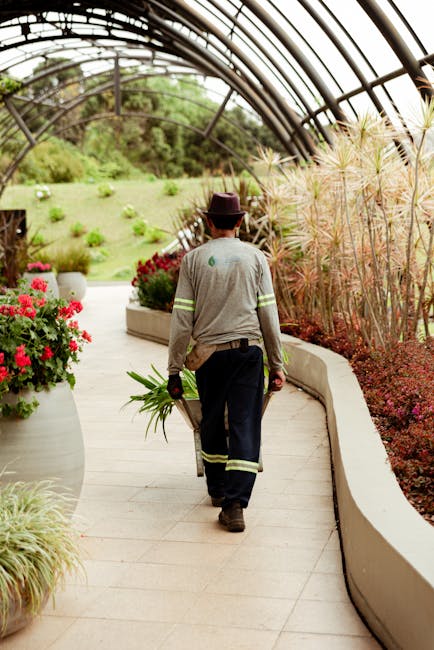
Same day gardeners in Seven Sisters for emergency clearance: fast help when the garden cannot wait
If your garden has suddenly become unsafe, blocked, or just plain unmanageable, you do not need a lecture. You need help, and you need it today. That is exactly where Same day gardeners in Seven Sisters for emergency clearance come in. Whether it is a storm-fallen branch, an overgrown front path, a fly-tipped heap, or a garden that has tipped from "a bit messy" into "we really need to sort this now", same-day clearance is the practical response.
In Seven Sisters, that often means working quickly around tight access, shared walkways, front gardens, basement steps, or the kind of London courtyard that looks small until you try to move anything larger than a bin bag through it. This guide explains how emergency garden clearance works, when it makes sense, what good service looks like, and how to get the best result without adding more stress to an already annoying day.
Expert summary: Emergency clearance is not just about speed. It is about restoring safe access, reducing hazards, and getting the right level of work done in one visit wherever possible. The best jobs are planned fast, cleared safely, and left tidy enough that you can breathe again.
Table of Contents
- Why Same day gardeners in Seven Sisters for emergency clearance Matters
- How Same day gardeners in Seven Sisters for emergency clearance Works
- Key Benefits and Practical Advantages
- Who This Is For and When It Makes Sense
- Step-by-Step Guidance
- Expert Tips for Better Results
- Common Mistakes to Avoid
- Tools, Resources and Recommendations
- Law, Compliance, Standards, or Best Practice
- Options, Methods, or Comparison Table
- Case Study or Real-World Example
- Practical Checklist
- Conclusion
- Frequently Asked Questions
Why Same day gardeners in Seven Sisters for emergency clearance Matters
Emergency clearance matters because garden problems rarely stay neat and contained. A broken fence panel, fallen hedge growth, or a sudden build-up of debris can affect access, safety, neighbours, and even the usable space around your property. Truth be told, once a garden is hard to walk through, it is easy for small issues to snowball.
In a busy part of North London, the practical impact shows up quickly. A blocked path can make bin collection awkward. A pile of branches can attract unwanted pests. Overgrown shrubs can obscure windows and reduce visibility at entrances. If a storm has pushed something down overnight, or if a rental property needs to be turned around fast, waiting a week is not always realistic. And let's face it, nobody enjoys staring at a tangled mess while trying to organise everything else in life.
There is also a reassurance factor. A well-handled same-day clearance can restore order before the problem becomes a complaint, a hazard, or a bigger repair job. If the job also involves related upkeep, it may make sense to look at broader garden maintenance or even wider services overview options once the immediate pressure is off.
How Same day gardeners in Seven Sisters for emergency clearance Works
Same-day garden clearance usually follows a simple but focused process. The speed comes from preparation, not magic. A good team will ask the right questions early so they can arrive ready to work, not wander around figuring things out after the van doors open.
1. You describe the problem clearly
This is the part where a few plain details help a lot. Tell them what has happened, what needs removing, whether access is tight, and whether there are any hazards. For example: "two large hedge piles, broken branches, and a blocked side return" is far more useful than "garden needs clearing".
2. The team checks urgency and access
Not every clearance is the same. Some jobs are straightforward, like removing cuttings and bagged waste. Others need extra care, especially if there is unstable timber, thorny growth, hidden glass, or a tree limb leaning awkwardly. Access matters too. Shared hallways, narrow gates, steep steps, and parked cars all affect how the work is planned.
3. The scope is confirmed quickly
A reliable gardener will explain what can be done the same day and what might need a follow-up visit. That honesty is a good sign. If the job is too large for one visit, the answer should not be guesswork. It should be a clear plan.
4. Clearance starts with safe removal
The best emergency clearance begins with the risks: anything sharp, unstable, heavy, or likely to obstruct movement. Only then does the team move into the general waste and overgrowth. This avoids the very human mistake of trying to "just drag it all out" and making the mess worse.
5. The garden is left tidy and usable
A proper clearance is not complete when the last bag is lifted. It is complete when the area can be used again. That might mean swept paths, stacked arisings ready for disposal, or just enough order that you can open the gate without stepping over a jungle. Small win, but a very real one.
Key Benefits and Practical Advantages
Same-day clearance is popular because it solves several problems at once. Speed is only one of them.
- Immediate safety improvement: Removing trip hazards, unstable branches, and blocked access straight away.
- Less stress: You do not have to manage a messy, urgent situation for days on end.
- Better first impression: Helpful for landlords, letting agents, home sellers, and anyone expecting visitors.
- Prevents problems spreading: What starts as overgrowth can become a pest issue, drainage issue, or neighbour dispute.
- Flexible for mixed jobs: Emergency clearance often pairs well with hedge work, lawn mowing, or tree lopping and removal when needed.
Another practical advantage is momentum. Once the biggest mess is cleared, the garden becomes easier to assess. You can see the fence, the path, the beds, the lawn, and the areas that really need attention. That clarity alone can be worth a lot. The eye stops fighting the clutter.
If the garden includes old decking, damaged planting beds, or a broader outdoor redesign after the clearance, the next step may be more considered work through landscaping or landscape gardening. Not always. But sometimes clearing the chaos reveals the actual plan.
Who This Is For and When It Makes Sense
Same-day emergency clearance is not just for dramatic storm damage. It suits a wide range of everyday situations, some urgent and some simply time-sensitive.
- Homeowners with a suddenly unsafe or inaccessible garden
- Landlords needing a property ready between tenancies
- Letting agents dealing with a last-minute inspection
- Families coping with a fallen branch, heavy leaf fall, or fast-spreading growth
- Older residents who need paths opened up quickly for safe movement
- People preparing for tradespeople, deliveries, or outdoor works
- Anyone who has had a big DIY clear-out and needs the garden reset
It also makes sense when the garden is not in crisis, but time is. For example, if you are waiting for a fence repair, or a shed removal, or a new lawn to go in, you may need the space cleared before the next crew arrives. In that case, same-day help is more about keeping the project moving than reacting to an emergency.
And sometimes, to be fair, the issue is emotional as much as practical. A cluttered back garden can feel like one more thing hanging over you. Clearing it today can make the whole property feel lighter.
Step-by-Step Guidance
If you are organising a same-day visit, a simple process keeps things calm and efficient.
- Identify the urgent issue. Decide what actually needs attention today. Is it waste removal, path clearance, hedge reduction, branch removal, or a mix?
- Take a quick look at access. Note gate width, side access, parking restrictions, stairs, and any locked entry points.
- Separate the risky items if you can. Do not handle sharp, heavy, or unstable material unless it is safe to do so.
- Photograph the area. This helps explain the job clearly and reduces back-and-forth. A quick phone photo is enough.
- Ask what can be done today. Confirm whether the team can clear everything in one visit or whether a phased approach is better.
- Make sure disposal is included. Emergency work is much smoother when you know what happens to the waste.
- Check the final result before the team leaves. Look at access, edges, and any remaining hazards. A final sweep is never wasted.
A useful tip: if the job appears larger than expected, ask for the highest-priority area to be dealt with first. That might be the front path, the main doorway, or the section most likely to cause injury. It is a smart way to get practical value fast.
Expert Tips for Better Results
Small decisions make a big difference in an emergency clearance. The best jobs tend to go smoothly because the customer and the gardener are both clear on the outcome.
Be specific about the "must-do" items
If the whole garden is overgrown, decide what matters most today. One corner might be annoying, but the side passage may be the real issue. Focus on the barrier, the hazard, or the access point first.
Leave the site as accessible as possible
Move cars if you can. Unlock gates. Keep pets and children away from the work zone. It sounds obvious, but in a hurry people forget. Completely normal.
Don't ask for perfection before safety
Emergency clearance is about restoring order and removing risk. If the garden needs shaping, planting, or a tidy finish after the rush, that can be a second-stage job. This is one of those times when "good and safe" beats "beautiful and delayed".
Think in layers
First the obstruction. Then the waste. Then the tidy-up. Then the longer-term plan. That sequence keeps the job efficient and avoids chasing too many details at once.
Use the clearance as a reset point
Once the space is open, it becomes easier to see what should happen next. That may mean regular garden maintenance, selective hedge work, or a proper redesign. A messy garden can hide the good structure underneath.
Practical insight: In a same-day clearance, the fastest result is usually achieved by sorting the job into "risk", "access", and "appearance" - in that order. It keeps everyone sane, which helps more than people expect.
Common Mistakes to Avoid
Most urgent garden jobs get harder because of avoidable little errors. Nothing dramatic. Just the usual human stuff.
- Being vague about the job: "It's a bit of a mess" is understandable, but it does not help much.
- Waiting until the last minute: Same-day work is possible, but the more warning you can give, the better.
- Ignoring access issues: A five-minute route through the garden can become a twenty-minute carry if nobody mentions it.
- Assuming every pile is garden waste: Some jobs involve mixed material, and that can change the handling.
- Trying to do unsafe cutting yourself: If it is unstable, spiky, or heavy, step back. Seriously.
- Forgetting disposal planning: The work is not really finished until waste is properly removed or arranged for removal.
Another common one? Underestimating how much difference a small area can make. Clearing just the front approach or side path can transform the whole feel of the property. You do not always need a full overhaul on day one.
Tools, Resources and Recommendations
Emergency clearance is easier when the right tools are used for the right task. You do not need to know the exact kit, but it helps to understand the basics.
- Cutting tools: For hedge reduction, branch removal, and general cutting back.
- Rakes and brooms: Still essential. Not glamorous, but they do the tidy finish nicely.
- Wheelbarrows and sacks: Useful for moving debris without making ten thousand little trips.
- Protective equipment: Gloves, eye protection, sturdy footwear, and appropriate clothing matter more than people think.
- Disposal planning: Waste should be handled in a tidy, compliant way, not just left in a corner "for later".
If you are comparing service scope, it can help to review the provider's garden clearance page and also their wider services overview. That usually gives you a better feel for what can be bundled together. If you want to understand the company a little more before booking, the about us page is useful too. Small detail, but it helps build confidence.
For broader practical information on cost planning, the pricing and quotes page is worth a look, especially if your garden job could spread beyond a single visit. Straightforward, no fuss.
Law, Compliance, Standards, or Best Practice
Emergency garden clearance is not usually a heavily regulated service in the way some trades are, but good practice still matters. In the UK, reputable garden teams are expected to work safely, handle waste responsibly, and avoid causing unnecessary damage to property, boundaries, or neighbouring land.
A few practical points are worth keeping in mind:
- Health and safety: Clear access routes, safe lifting, and appropriate handling of sharp or unstable material are basic expectations.
- Insurance and safety: For any work involving branches, tools, ladders, or awkward removal, it is sensible to understand how the provider approaches safety and liability. The company's insurance and safety information is relevant here.
- Waste handling: Green waste and mixed debris should be disposed of responsibly. Some jobs may also involve recycling or separation where practical, which links naturally to recycling and sustainability.
- Property access and neighbour care: In tight London spaces, considerate working is more than a nice extra. It is part of doing the job properly.
If you are unsure about terms, scope, or what is included, it is always better to ask before the work starts. The same goes for payment terms and booking expectations. A quick read of payment and security can save awkwardness later. Nobody likes surprise invoices. Not in the morning, not in the rain, not ever.
For customers with accessibility needs, it is also reasonable to check practical site access and communication in advance. That kind of care makes the service better for everyone.
Options, Methods, or Comparison Table
Not every urgent garden problem needs the same response. Here is a simple comparison to help you decide what sort of service fits best.
| Option | Best for | Speed | Typical outcome |
|---|---|---|---|
| Emergency same-day clearance | Blocked access, storm debris, urgent tidying, safety issues | Fastest | Immediate improvement and hazard removal |
| Planned garden clearance | Large but non-urgent jobs, seasonal clean-ups, overgrown spaces | Flexible | More time for a full tidy and better staging |
| Garden maintenance | Routine control of growth, lawn care, edges, and repeat tidying | Ongoing | Prevents the garden from becoming an emergency again |
| Landscape or redesign work | When the garden needs structural change after clearing | Slower | Long-term improvement, sometimes after a clearance first |
There is no single "best" option. A front path blocked by branches needs an emergency response. A garden that simply got out of hand over the winter may be better handled as a planned clearance followed by regular upkeep. The right choice depends on the level of urgency, access, and how quickly you need the space usable again.
Case Study or Real-World Example
Here is a realistic example from the kind of work that comes up often in Seven Sisters. A resident calls after a windy night leaves a pile of broken hedge material across the side return, with smaller branches scattered near the rear gate. The path is still there, but only just. Deliveries are due later that day, and the area has become awkward to walk through.
The quickest sensible response is not to redesign the garden. It is to clear the obstruction, make the access safe, and remove the debris in a tidy way. Once the main blockage is gone, the team can assess whether the hedge needs shaping, whether any tree limbs need attention, and whether the rest of the garden would benefit from a more thorough tidy later in the week.
What made this job go smoothly? Clear photos, quick communication, a straightforward access route, and a decision to prioritise the path first. The garden was not perfect at the end. It did not need to be. It was safe, open, and ready for use. That is the point.
In another very common scenario, a landlord needs a back garden cleared between tenancies. The job is not a storm emergency, but it is urgent in a practical sense. The work may include light overgrowth removal, lawn cutting, waste removal, and a tidy of the edges so the property presents well. Different problem, same principle: restore order fast, then decide what happens next.
Practical Checklist
Use this before booking or on the morning of the visit.
- Identify exactly what needs clearing today
- Check whether the issue is safety-related, access-related, or mainly visual
- Take a few clear photos of the area
- Note gate widths, steps, parking, and any awkward access points
- Move vehicles if needed
- Keep pets and children away from the work zone
- Ask whether waste removal is included
- Confirm whether the team can handle related tasks such as hedge trimming or branch removal
- Decide what "done" looks like for you: safe access, full clearance, or a tidy finish
- Check the result before the team leaves
If you want a broader plan after the urgent work is handled, keep a note of the recurring problems. The same patch that fills with cuttings every season may just need regular maintenance. Common sense, really.
Conclusion
Same-day garden clearance is about more than being fast. It is about restoring control when the garden has become a problem you cannot ignore. In Seven Sisters, that can mean everything from blocked side access and broken branches to overgrowth, waste, or a property that needs to look presentable again without delay.
The best outcomes come from clear communication, realistic expectations, and a team that knows how to work safely under time pressure. Start with the urgent issue, then build from there. Once the garden is open and calm again, you can decide whether it needs ongoing maintenance, a fuller clearance, or a longer-term landscaping plan.
Get a free quote today and see how much you can save.
And if today feels a bit overwhelming, that is fair enough. One step at a time. A cleared garden has a funny way of making the rest of the day feel easier.
Frequently Asked Questions
What counts as an emergency garden clearance?
An emergency garden clearance is any job where the space has become unsafe, blocked, or urgently unusable. That could be storm debris, fallen branches, overgrown access, or a sudden waste build-up that needs removing the same day.
Can same day gardeners in Seven Sisters for emergency clearance handle storm damage?
Yes, if the damage is within a safe and practical scope for same-day work. Fallen branches, broken hedge sections, and scattered debris are common examples. If something is unstable or high-risk, it may need a more cautious approach.
How quickly can a same-day clearance usually be arranged?
That depends on availability, the size of the job, and access. The earlier you call and the clearer your description, the better the chance of getting help on the same day.
What information should I give when booking?
Describe the problem, the size of the area, access details, and any hazards. Photos help too. A few clear notes can save a lot of time later.
Do I need to be at the property during the clearance?
Not always, but it is often helpful if you can be there at the start or end. That makes it easier to confirm the scope and check the finished result. If you cannot attend, make access arrangements in advance.
Will the gardeners remove the waste too?
Usually that should be agreed in advance. Many clearance jobs include removal, but it is always worth confirming so there is no confusion. The tidy-up is part of the value, really.
Is same-day clearance suitable for rented properties?
Yes. It is especially useful between tenancies, before inspections, or when a property needs to be handed over quickly. A clear garden can make a big difference to presentation.
What if the job turns out to be bigger than expected?
A good team should explain that honestly and suggest the best way forward, whether that means dealing with the highest-priority area first or planning a second visit. Big jobs happen. It is not a problem if everyone is clear about it.
Can emergency clearance include hedge trimming or tree work?
Sometimes, yes, if it is safe and practical to include. For more involved hedge work or tree-related tasks, it may be better to combine the clearance with related services such as hedge trimming or tree lopping and removal.
How do I know if I need clearance or regular maintenance?
If the space has become blocked, messy, or hazardous right now, clearance is the better starting point. If the garden mainly needs ongoing care to stop it getting that way again, maintenance is the smarter next step after the urgent work is done.
Are there safety standards I should ask about?
Yes. It is sensible to ask about safe working methods, insurance, access planning, and how waste is handled. These are practical signs of a professional approach, even for a quick job.
What is the best next step if I need help today?
Send a clear description of the problem, mention that it is urgent, and ask what can be done the same day. If possible, include photos and access details. That gives the fastest route to a sensible answer.